Ph.D. Student in Astronomy · University of California, Riverside

Aryana Haghjoo

Galaxy Evolution | High-Redshift Universe | Applications of AI in Astronomy | Analysis of Big Datasets | Deep Learning for Astronomical Data Enhancement

From the 21cm signal
to galaxy spectra.

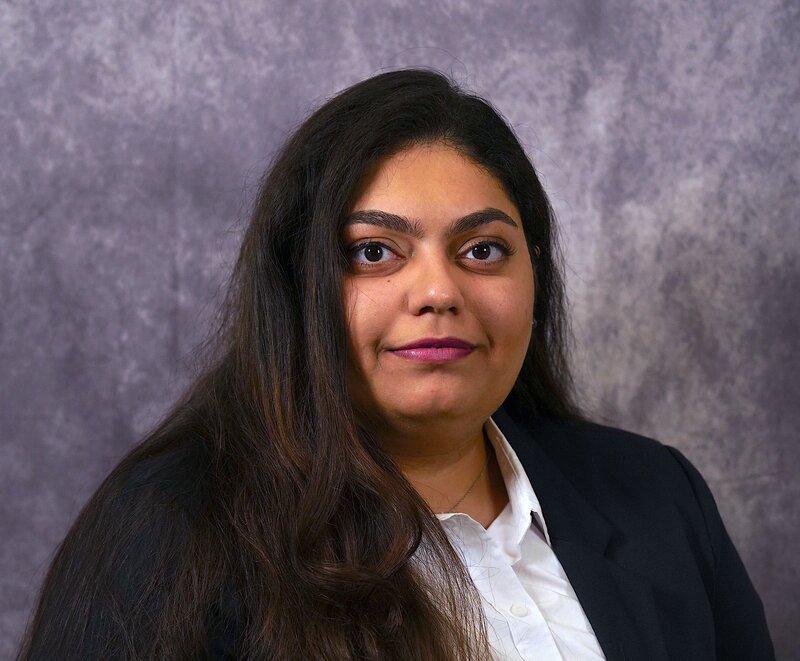
Portrait of Aryana Haghjoo

I'm an astrophysicist working at the intersection of cosmology and machine learning. I'm a Ph.D. student in Astronomy at UC Riverside (CA, US), where I build deep learning models that sharpen low-resolution galaxy spectra with the help of survey data from telescopes such James Webb, Euclid and Euclid. I hold an M.Sc. in Physics from McGill University (QC, CA), where I develped an MCMC-based pipeline to estimate the astrophysical parameters of the global 21cm signal to search for hints of non-standard physics in the early universe.

Before any of that, I was an undergraduate at Sharif University of Technology in Tehran (Iran), falling in love with the idea that how data science methods can help us understand the universe.

Outside of research, I'm usually planning my next adventure trip. I have traveled to 17 countries around the world, 4 continents, and 13 states in America. I am also a fan of road trips and long drives, especially through national parks, or anywhere I haven't pulled over before. This year, I am on a mission to better document my trip experiences. I started taking pictures with a Fujifilm Instax Mini 12 and have since graduated to a Kodak AstroZoom, but the habit's the same: stop the car, look properly, take the shot.

Download full CV
2025 – 2030 (expected) Ph.D., Astronomy University of California, Riverside
2024 – 2025 M.Sc., Astronomy University of California, Riverside
2021 – 2023 M.Sc., Physics McGill University
2018 – 2021 B.Sc., Physics Sharif University of Technology

Selected work

Deep Learning · Spectroscopy Dec 2024 — Present

Super-resolving low-resolution galaxy spectra (SR2)

Low-resolution spectra from JWST/NIRSpec's prism (R∼30–300) blend together key rest-frame optical lines — Hα, Hβ, [OIII]λ5007, [OII]λ3727 — past the point where dust attenuation, metallicity, and ionization state can be read off directly. Grating follow-up resolves them, but it's expensive and only available for a fraction of targets. I built a three-stage transformer pipeline (which I call SR2) that takes a low-resolution prism spectrum and reconstructs it at roughly 10× higher resolving power (R∼100 → R∼1000), trained on 1,187 paired prism/grating observations from the JADES program.

The pipeline first performs a coarse convolutional super-resolution pass, then infers a redshift from that intermediate reconstruction, then applies a physics-informed residual correction that uses self-attention across emission-line tokens to learn how lines relate to one another, alongside a convolutional branch that handles the continuum. On held-out test spectra it reaches noise-limited residuals across most of the spectral range and successfully deblends features — like the [OIII]λλ4959,5007 doublet — that are completely unresolved at prism resolution, with meaningful signal-to-noise improvements on all four diagnostic lines.
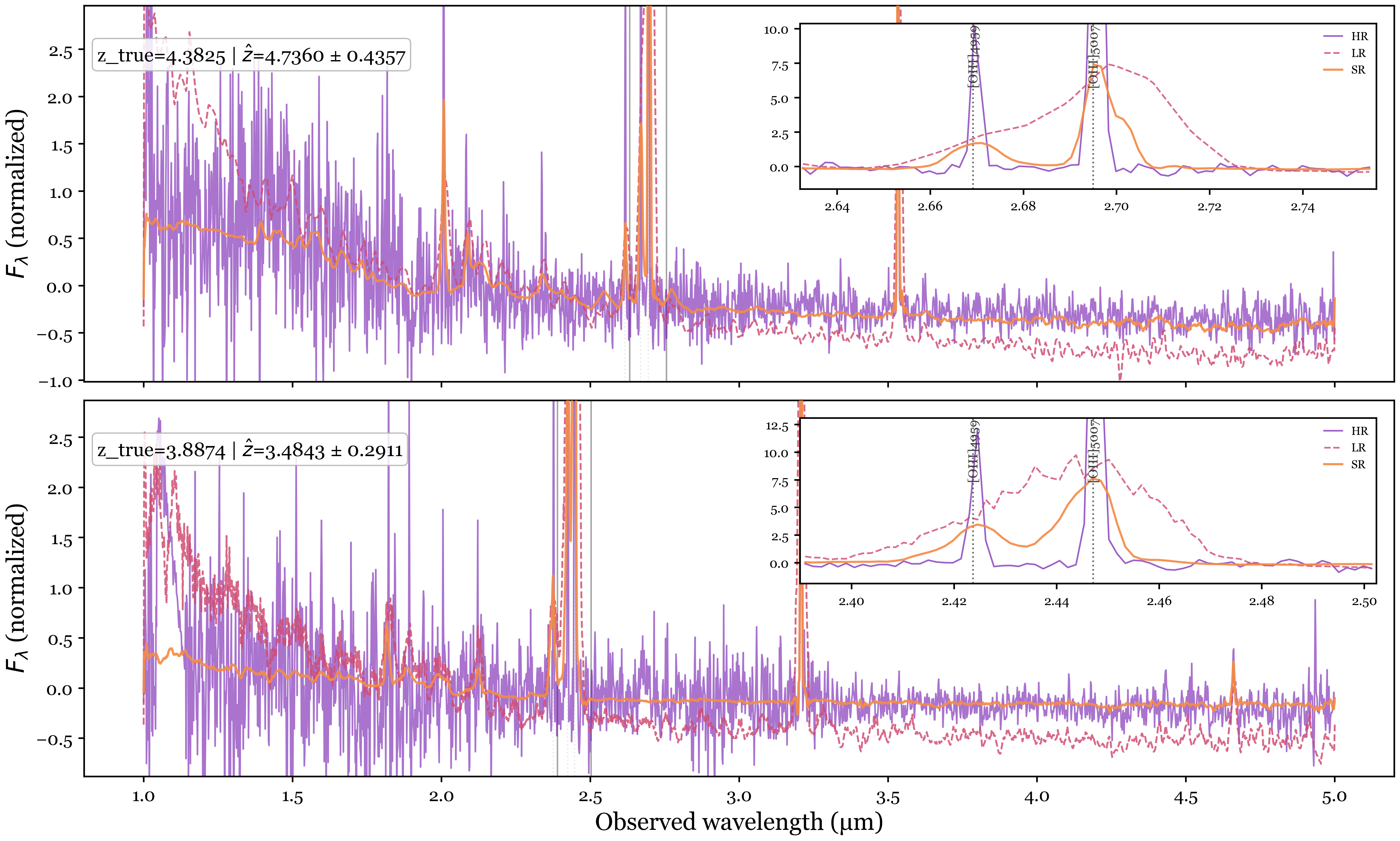
Two example galaxy spectra comparing low-resolution prism input, high-resolution target, and super-resolved output across the 1–5 micron wavelength range
Example galaxy spectra from the held-out evaluation set, showing the low-resolution prism input (red dashed), the high-resolution grating target (purple), and the super-resolved output (orange) across 1–5 μm. Insets zoom in on emission-line regions where the model successfully deblends features—such as the [OIII]λλ4959,5007 doublet—that are completely unresolved at prism resolution.

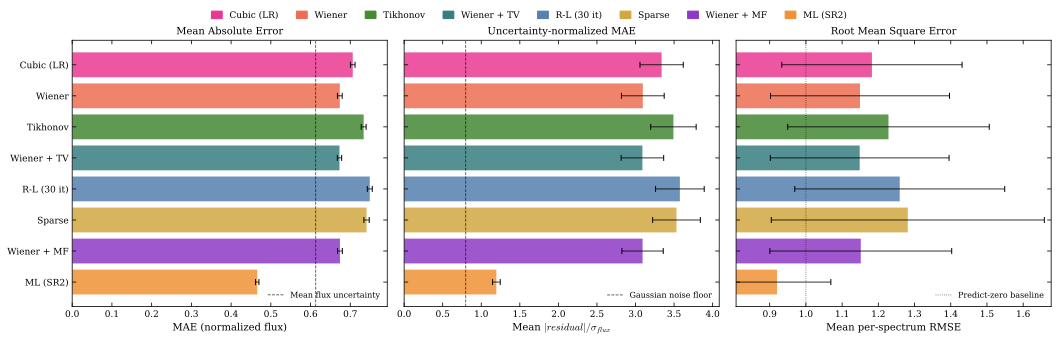
I've since stress-tested SR2 against seven classical deconvolution methods (Wiener, Tikhonov, total-variation, Richardson–Lucy, wavelet-sparse, and a redshift-informed matched filter) on the same 1,187-spectrum set, to find out exactly where the deep-learning advantage is real versus where it's an illusion of denoising. SR2 wins decisively on global fidelity (30% lower error than the best classical method) and on line-width recovery (the smallest FWHM bias of any method, on every line) — genuine super-resolution, not just noise suppression. But the comparison also surfaced a real limitation: SR2 is the worst method of the eight for preserving flux ratios like the Balmer decrement and [OIII]/Hβ, because it denoises Hα more aggressively than the fainter lines. That matters, because those ratios are exactly what astronomers use to measure dust attenuation and ionization state. The practical takeaway is that SR2 is the right tool for detecting and characterizing line shapes, but flux-ratio science still needs either classical reconstructions or a calibration step on top of the network's output. I'm currently extending the architecture to fix this, and separately toward a multi-modal framework that fuses photometric and spectroscopic data for cross-modal inference.
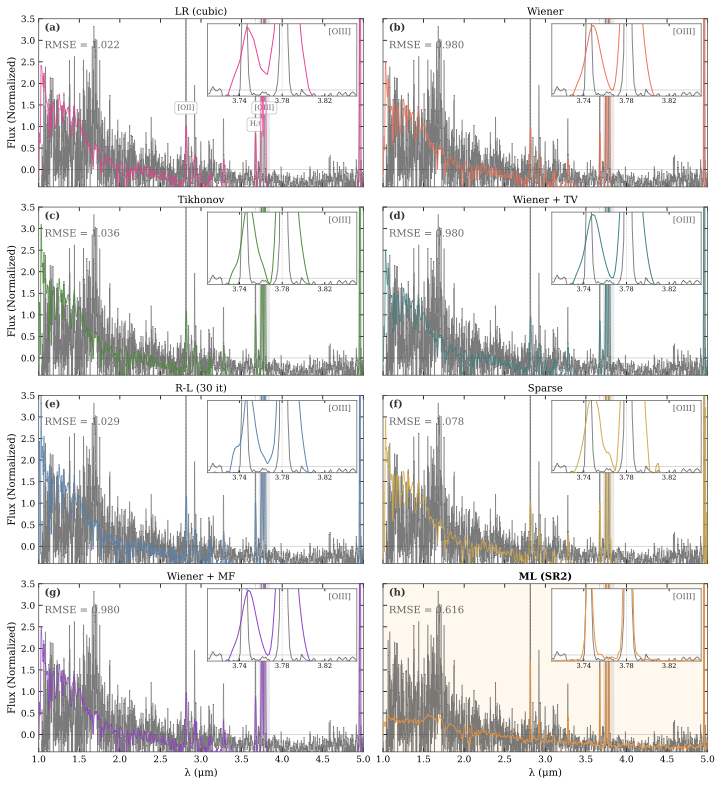
Eight reconstruction methods applied to a held-out JADES spectrum at redshift 6.55, with insets showing the OIII doublet region
All eight reconstruction methods applied to a held-out JADES spectrum at z = 6.55. Each panel shows the reconstruction (colored) against the high-resolution reference (gray). Insets zoom into the [OIII]λλ4959,5007 doublet: classical methods leave it blended or introduce ringing, while SR2 resolves both components. The SR2 RMSE (0.616) is 37% lower than the best classical method.
Bar charts comparing mean absolute error, uncertainty-normalized MAE, and RMSE across all eight reconstruction methods
Global reconstruction fidelity across all eight methods on 1,187 test spectra. Left: mean absolute error. Middle: uncertainty-normalized MAE relative to the Gaussian noise floor. Right: per-spectrum RMSE. SR2 achieves the lowest error on every metric, with a 30% MAE reduction over the best classical baseline.

The next direction is moving SR2 beyond JWST entirely: we're working on transferring what the model learned on NIRSpec prism/grating pairs to the Nancy Grace Roman Space Telescope and Euclid, two upcoming wide-field missions that will produce enormous volumes of low-resolution slitless spectroscopy with little to no high-resolution follow-up to train against. The open question is how much of SR2's physics-informed prior — the emission-line relationships it learned from JWST — carries over to a different instrument, a different wavelength coverage, and a different survey strategy, and how to adapt the model where it doesn't.

Advised by Bahram Mobasher & Shoubaneh Hemmati — UC Riverside
21cm Cosmology · M.Sc. Thesis Sept 2021 — Dec 2023

Parameter estimation of the global 21cm signal

The global 21cm signal is one of the few direct observational windows into the period between the end of the cosmic dark ages and the formation of the first stars and galaxies — it's sensitive to the density and temperature of neutral hydrogen at that time, which means any deviation from what the standard cosmological model predicts could be a sign of new physics: cosmic strings, exotic particle interactions, unconventional dark matter candidates.

My thesis built a parameter estimation pipeline combining Markov Chain Monte Carlo with the Levenberg–Marquardt algorithm to recover the best-fit astrophysical parameters of the 21cm curve from theoretical models generated with Accelerated Reionization Era Simulations (ARES), then validated the approach against real data from the EDGES experiment. The literature review underpinning it covers the physical mechanisms that shape the signal, how non-standard physics would imprint on it, and the practical difficulties — foreground removal especially — that make this signal so hard to observe in the first place. The resulting best-fit parameters are meant to help constrain future theoretical models and set realistic precision targets for the next generation of experiments hunting for these non-standard effects.

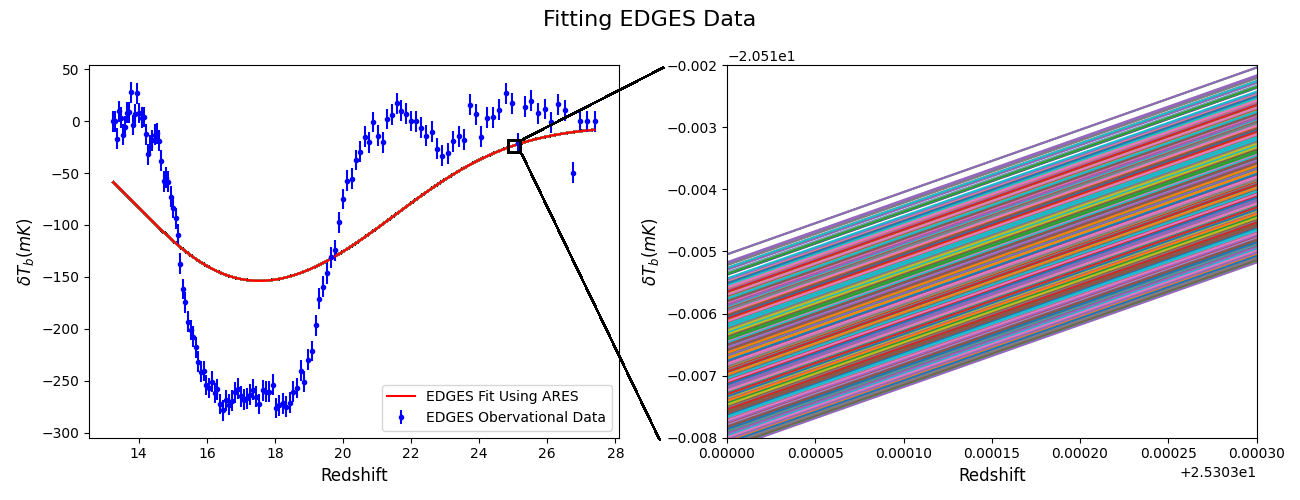
Fit to the EDGES 21cm data showing the best-fit curve against the half-amplitude observed data, with a zoomed view of the two-sigma confidence interval
Fitting results on EDGES data. Left: the half-amplitude EDGES observation (blue dotted) with the best-fit curve (red) from our MCMC pipeline. The significant discrepancy between the fit and observed data highlights the difficulty of reproducing the EDGES signal with standard physics alone. Right: zoomed view showing the two-sigma confidence interval (8,780 curves), illustrating the tightness of the fit uncertainty.

Advised by Jonathan Sievers & Oscar Hernandez — McGill University

Machine Learning · Undergraduate Jan 2020 — Sept 2020

Classifying variable stars with machine learning

Applied KNN, random forest, and CNN models to classify variable stars in the OGLE dataset, working through the challenges of significant class imbalance.

Advised by Sadegh Raeisi & Sohrab Rahvar — Sharif University of Technology

Open-source packages

Research tools built to be used, tested, and improved by the wider community.

Python · Astronomy · Machine Learning

zestimatr

Public release
zestimatr repository on GitHub zestimatr version on PyPI Supported Python versions MIT License Documentation status Model on Hugging Face Zenodo DOI Paper on arXiv Made at Code Astro

zestimatr is an open-source Python package for estimating spectroscopic redshifts directly from high-resolution galaxy spectra. Powered by a residual one-dimensional convolutional neural network, it returns both a redshift prediction and a calibrated uncertainty for each spectrum, with built-in tools for emission-line detection, evaluation, and visualization. Whether you want to try it on your own spectra, explore the code, or contribute to its development, visit the project on GitHub to get started.

ForestTask app icon

Electron · Task Management · macOS

ForestTask

Public release
GitHub Repository GitHub Release License: MIT Build Status DOI

ForestTask is a desktop task manager for macOS that shows your work as a tree instead of a list. Projects are the big branches, tasks are the small ones growing off them. Colour tells you status at a glance, and anything with a due date creeping up gets a glow. Edit manually or use natural language with Claude or OpenAI—one undo button handles both. Everything lives in a single JSON file with no cloud sync.

Presentations

Jun 2026

Deep Learning for Astronomical Data Enhancement

Poster · 248th AAS Meeting — Pasadena, CA

Jun 2026

Learning to See Sharper: A Physics-Informed AI Framework for Spectral Super-Resolution

Poster · 2026 Conference on Physics and AI (PAI26) — Stanford University

Apr 2026

Learning to See Sharper: A Physics-Informed AI Framework for Spectral Super-Resolution

Invited talk · AstroAI Lunch Talks — CfA, Harvard & Smithsonian

Mar 2026

Learning to See Sharper: A Physics-Informed AI Framework for Spectral Super-Resolution

Invited talk · Euclid US Tag-Up Meeting — Euclid Consortium

Jan 2026

Super-Resolving Low-Resolution Galaxy Spectra

Poster · Arizona Winter School on Cosmology in the Roman ST Era — University of Arizona

Oct 2025

Super-Resolving Low-Resolution Galaxy Spectra

Talk · IR Spectroscopy from Space — IPAC, Caltech

Aug 2025

Super-Resolving Low-Resolution Galaxy Spectra

Talk · Greater IPAC Science Symposium — IPAC, Caltech

Jul 2025

Super-Resolving Low-Resolution Galaxy Spectra

Poster · Cosmic Cartography with Roman — Space Telescope Science Institute

Jul 2025

Super-Resolving Low-Resolution Galaxy Spectra

Talk · AstroAI Workshop — CfA, Harvard & Smithsonian

Jun 2023

Unraveling Non-Standard Physics Through the Global 21cm Signal

Talk · SUT Cosmology Seminar — Sharif University of Technology

Mar 2023

Parameter Estimation of the Global 21cm Signal

Poster · Cosmology on Safari 2023 — Hluhluwe, South Africa

Oct 2022

Clarifying the Effects of Non-Standard Physics on the Global 21cm Signal

Talk · McGill Radio Lab Meetings — McGill University

May 2022

Effects of Non-Standard Physics on 21cm Signal

Talk · McGill Early Universe Cosmology Meetings — McGill University

What I see
when I'm not looking at spectra.

It started with wanting to save the memories and good scenes from my trips. I bought a Fujifilm Instax Mini 12 and later upgraded to a Kodak AstroZoom. I like driving and any excuse to pull over for a view — this is a running log of where that's taken me so far.

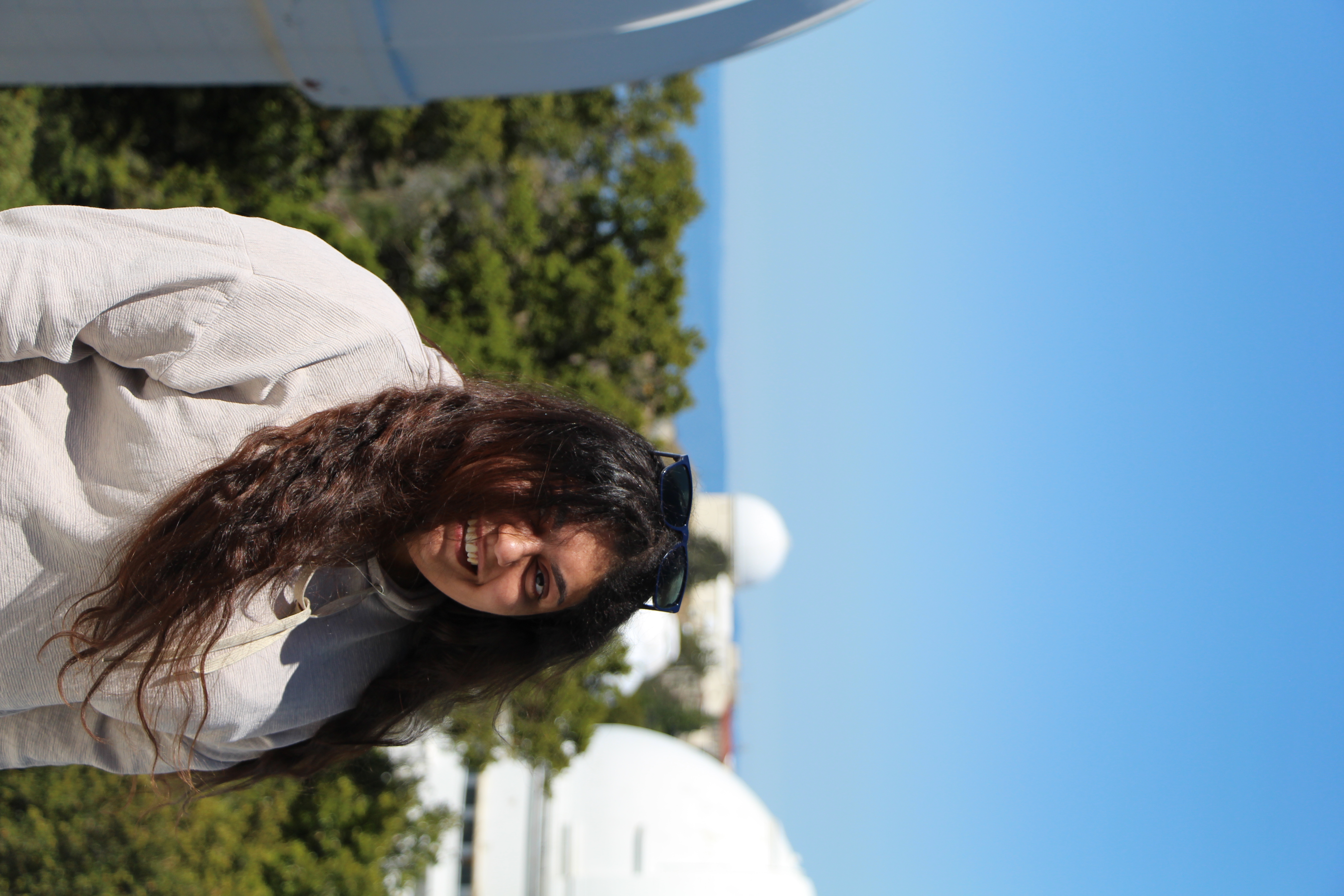
Portrait at Lick Observatory with telescope domes in the background
Lick Observatory, California
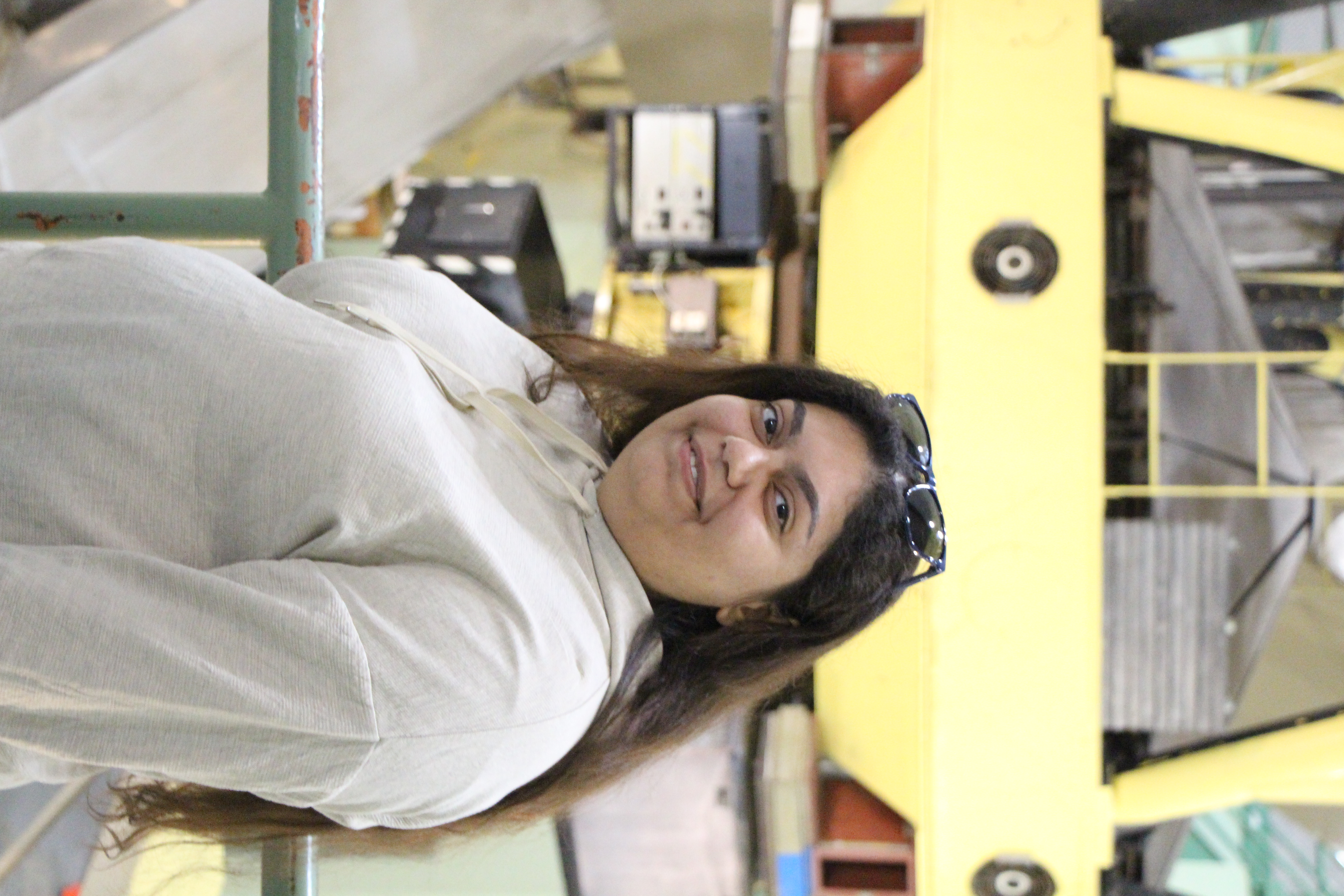
Portrait next to the Shane telescope at Lick Observatory
Lick Observatory, California
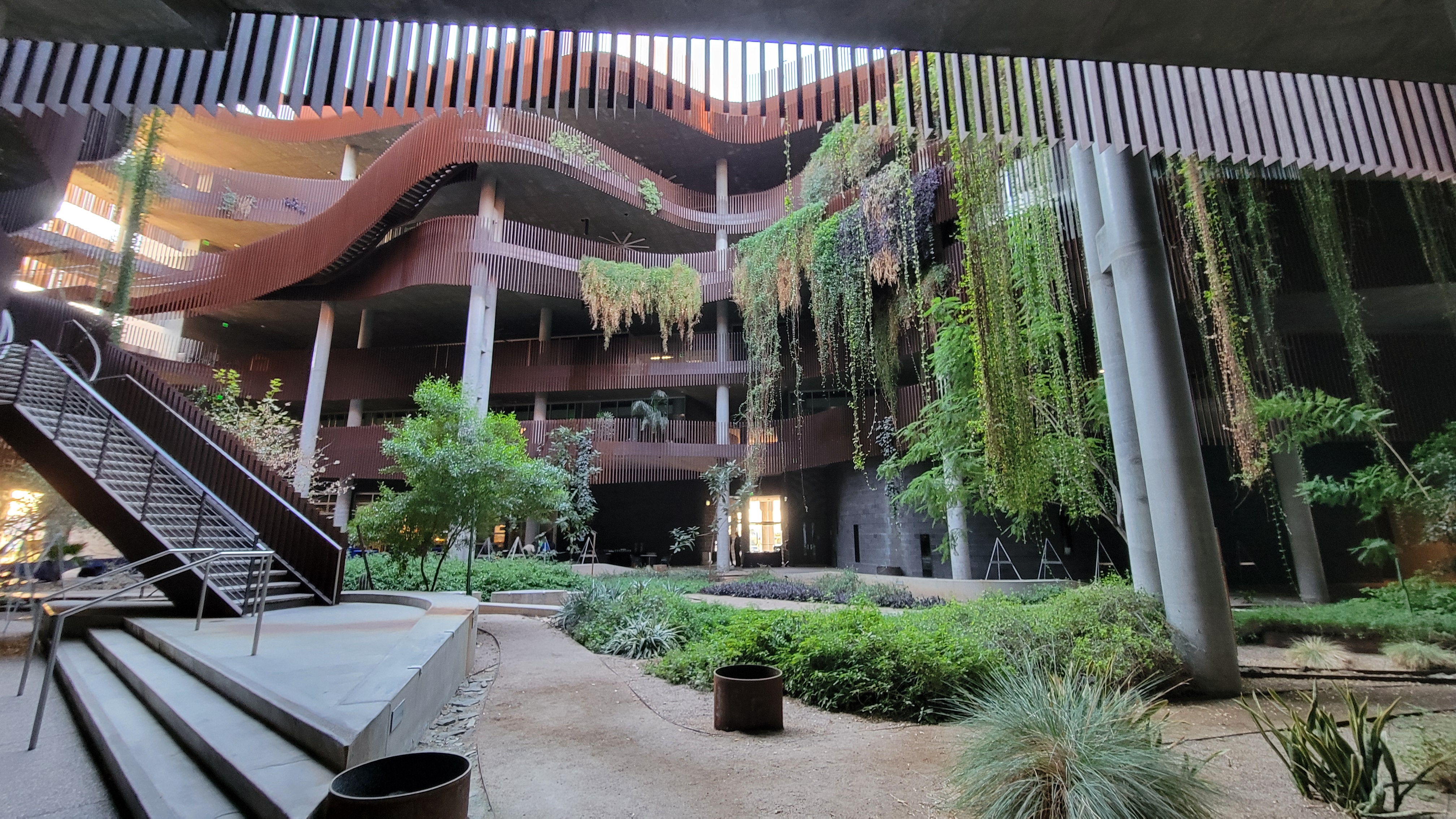
Courtyard with hanging greenery at the University of Arizona, Tucson
University of Arizona, Tucson
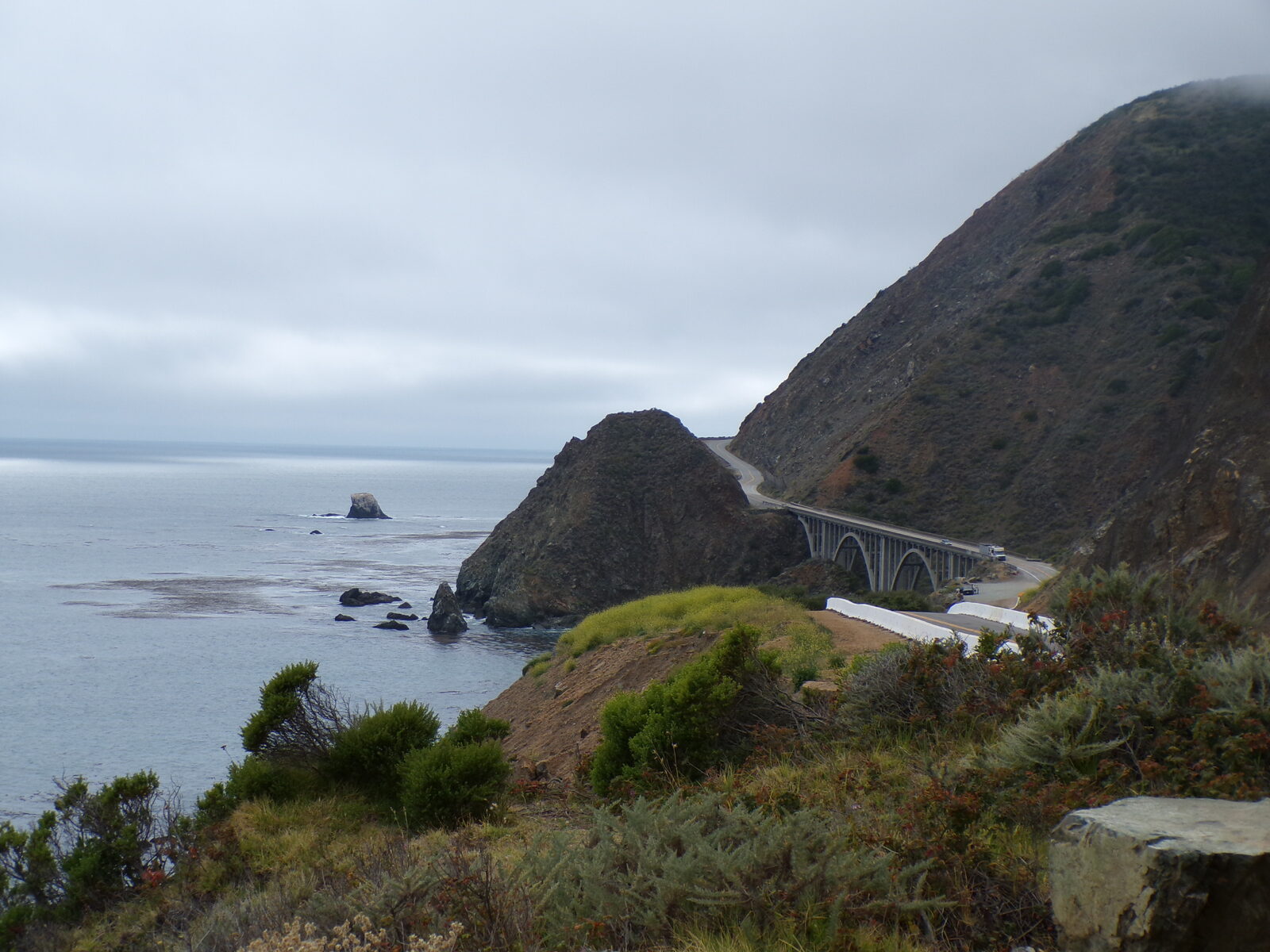
Bixby-style coastal bridge along Highway 1, California
Highway 1, California
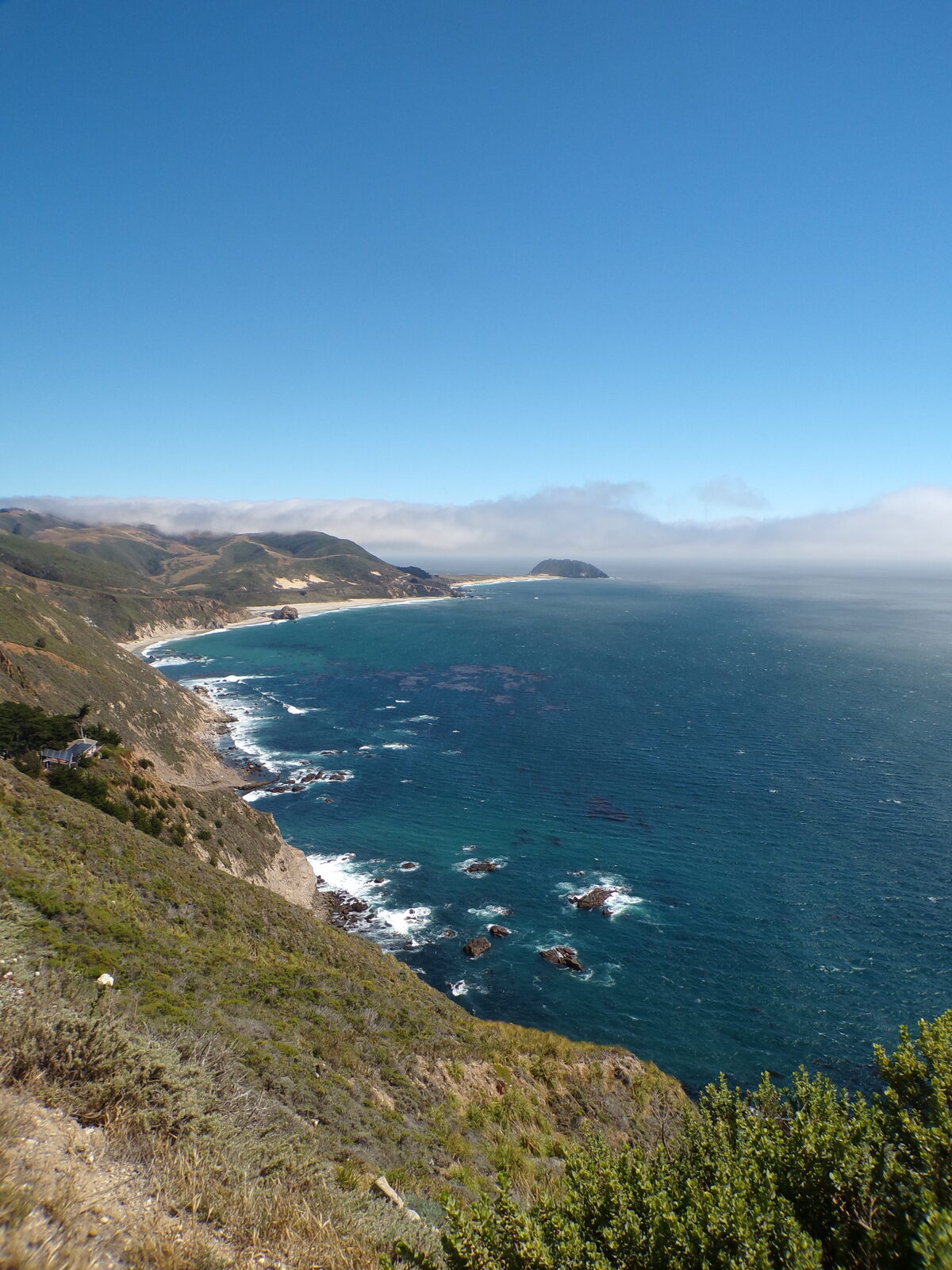
Fog rolling over the cliffs along the Big Sur coastline
Highway 1, California
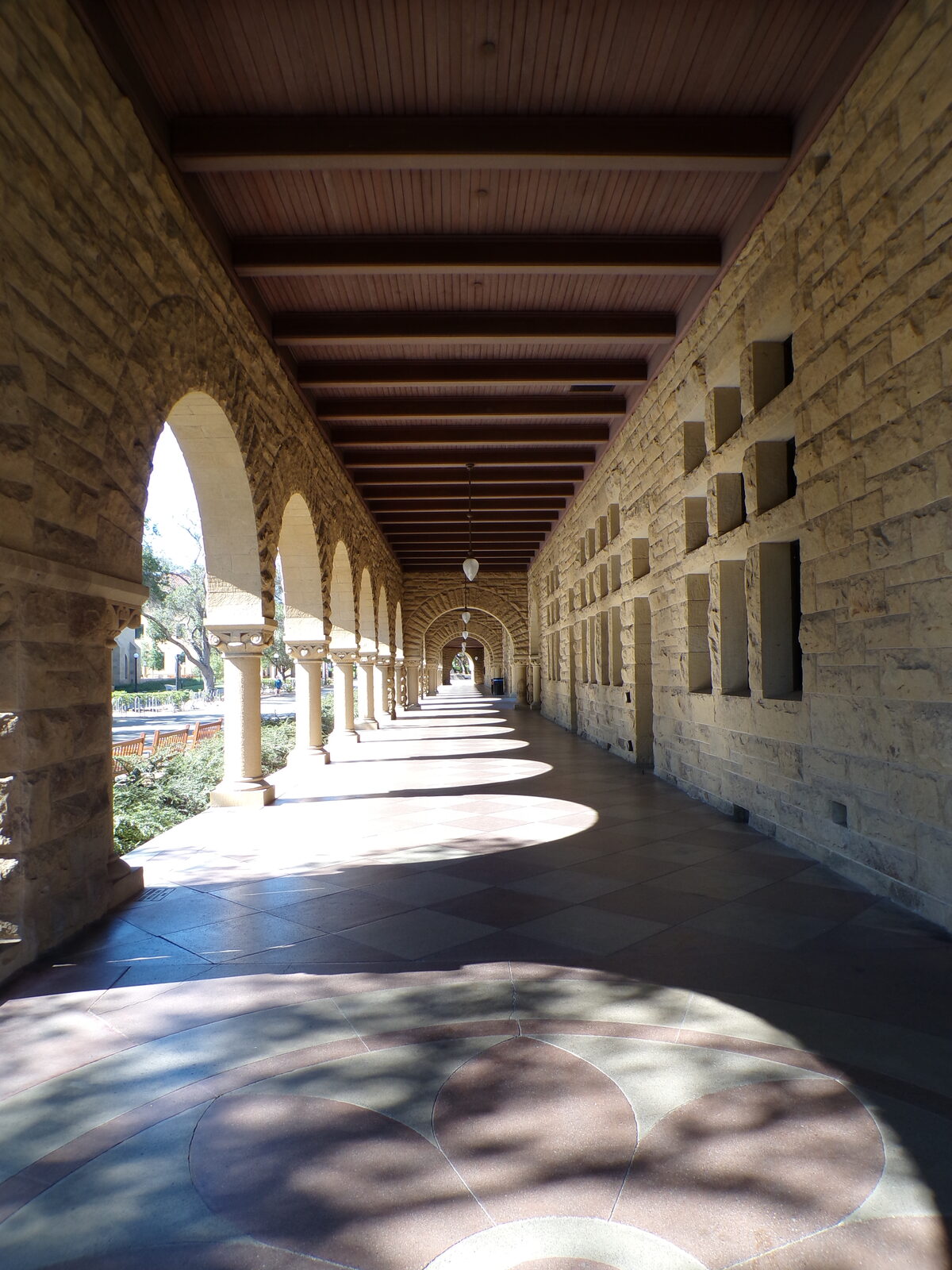
Sandstone arcade with arches at Stanford University
Stanford University
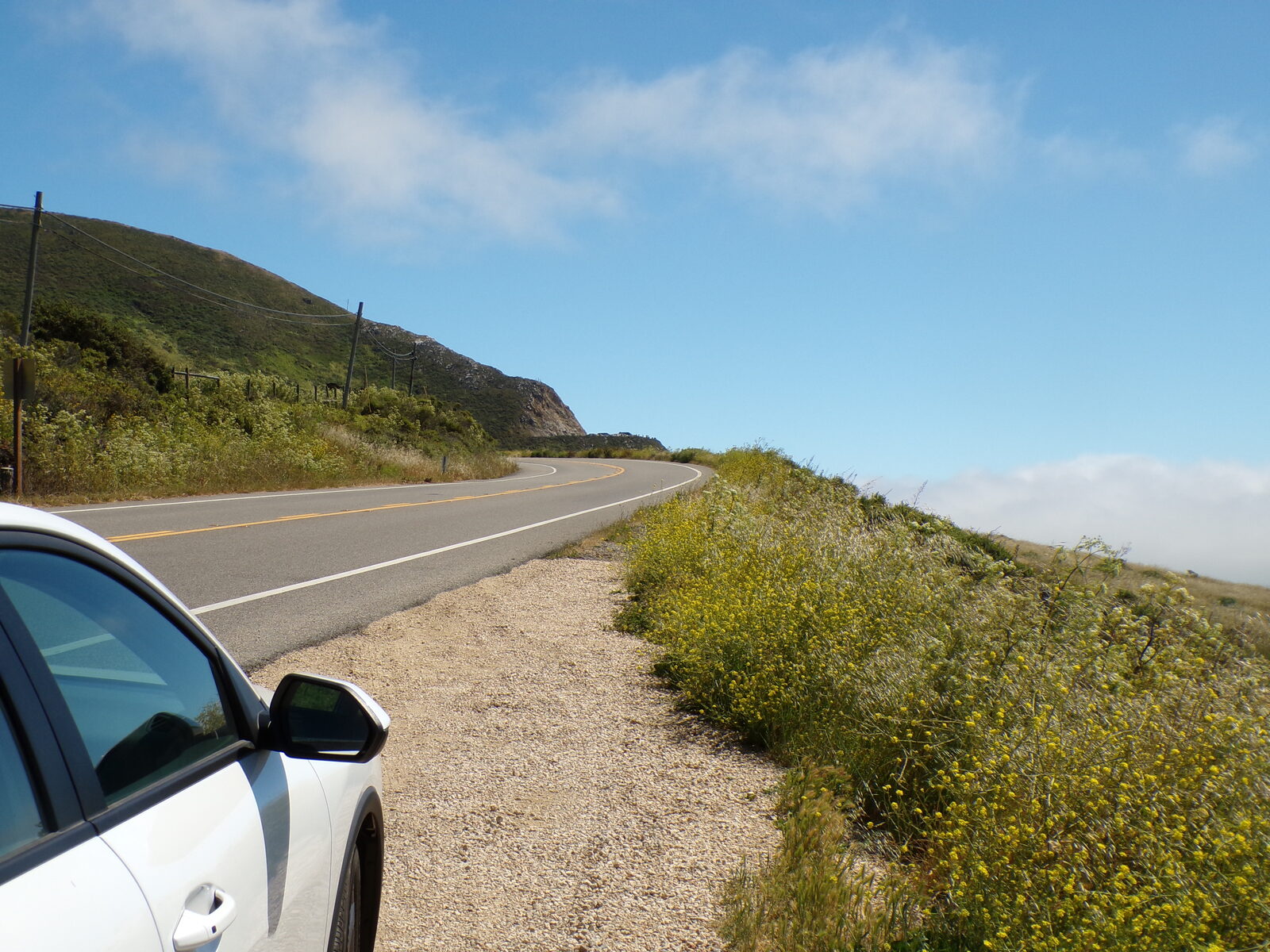
Roadside pullout overlooking Highway 1 with coastal wildflowers
Highway 1, California
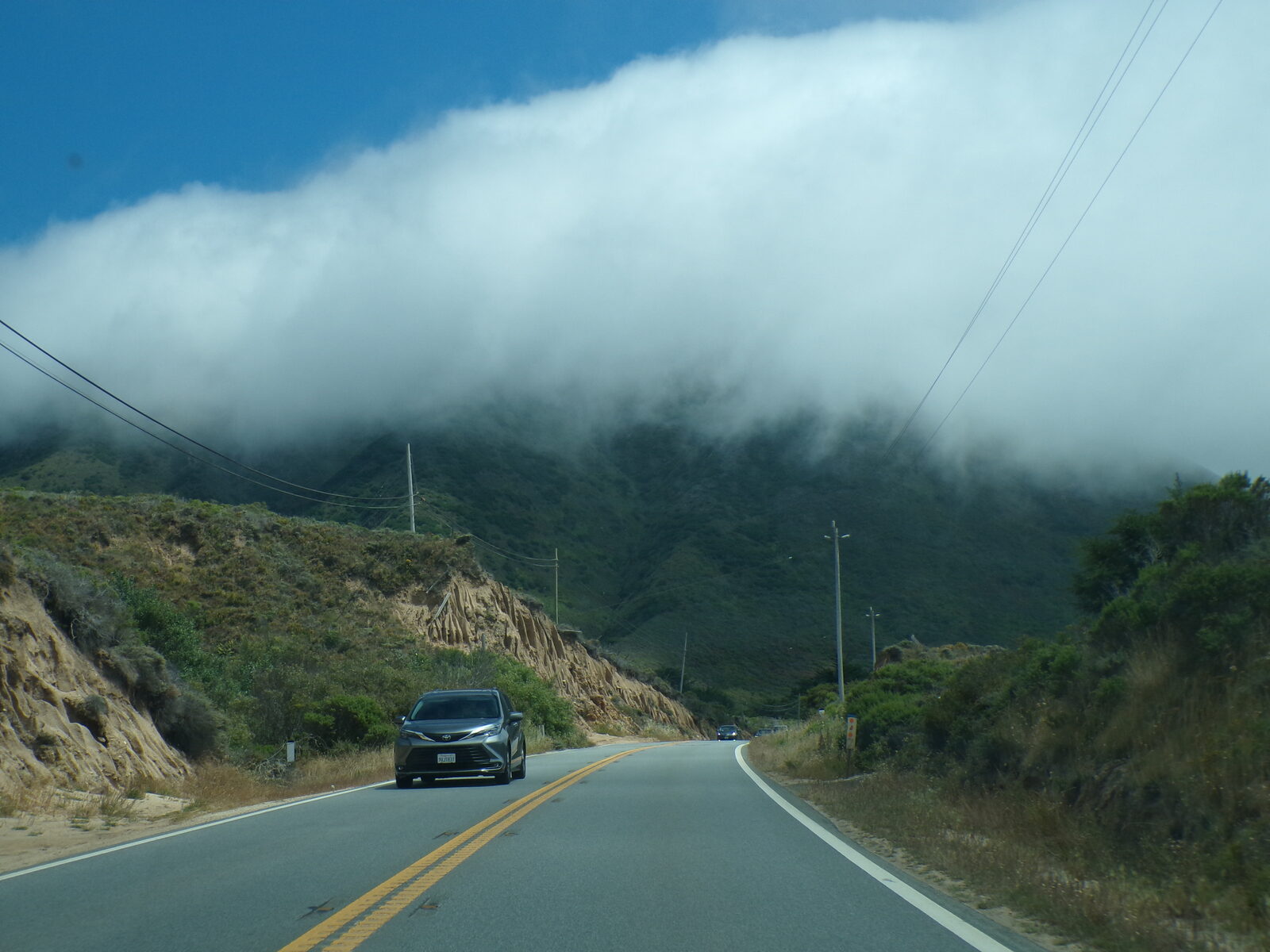
Marine fog layer spilling over coastal hills along Highway 1
Highway 1, California
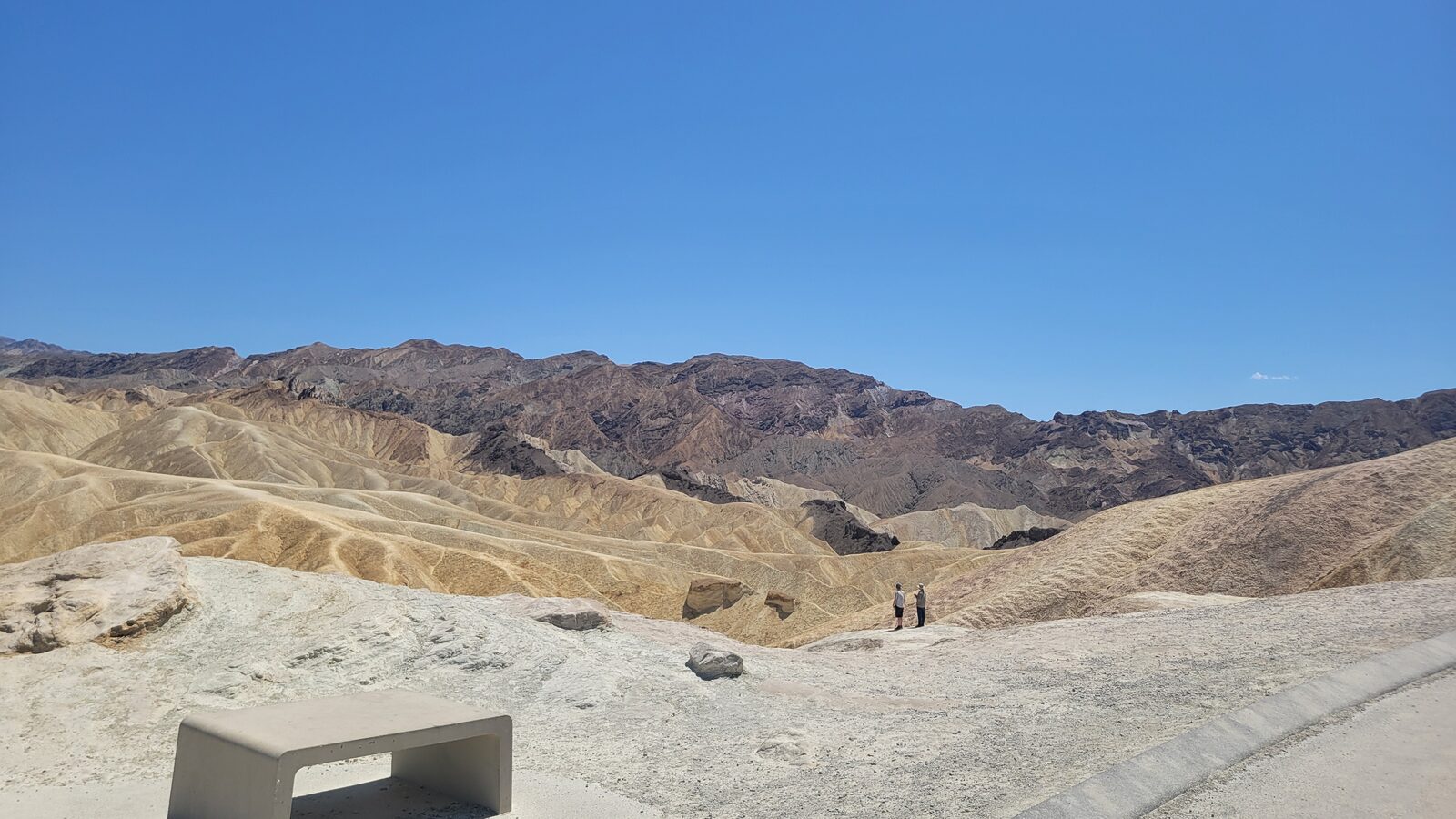
Badlands and mountain ridgeline at Zabriskie Point, Death Valley National Park
Death Valley National Park
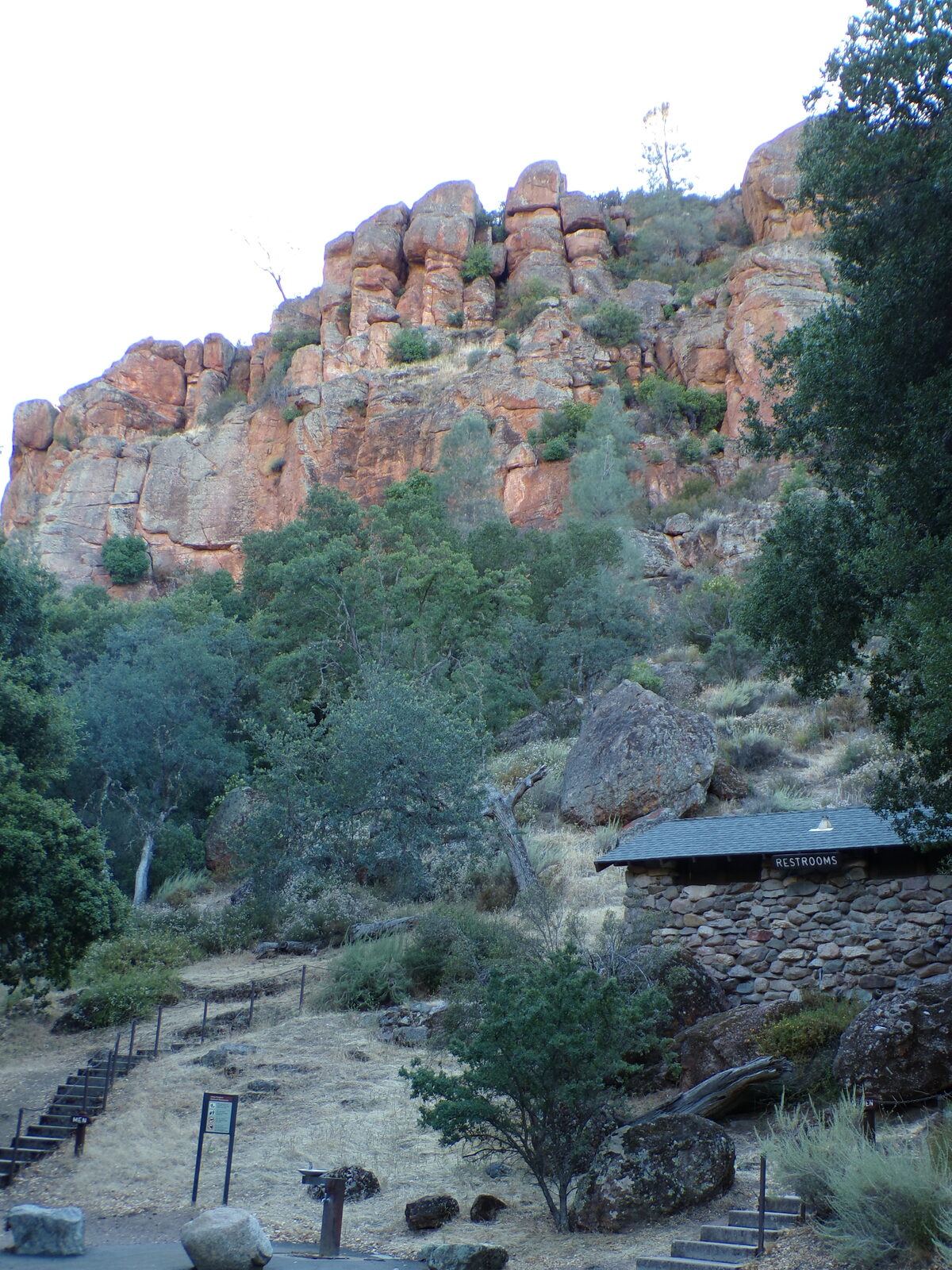
Rock spires and restroom building at Pinnacles National Park
Pinnacles National Park
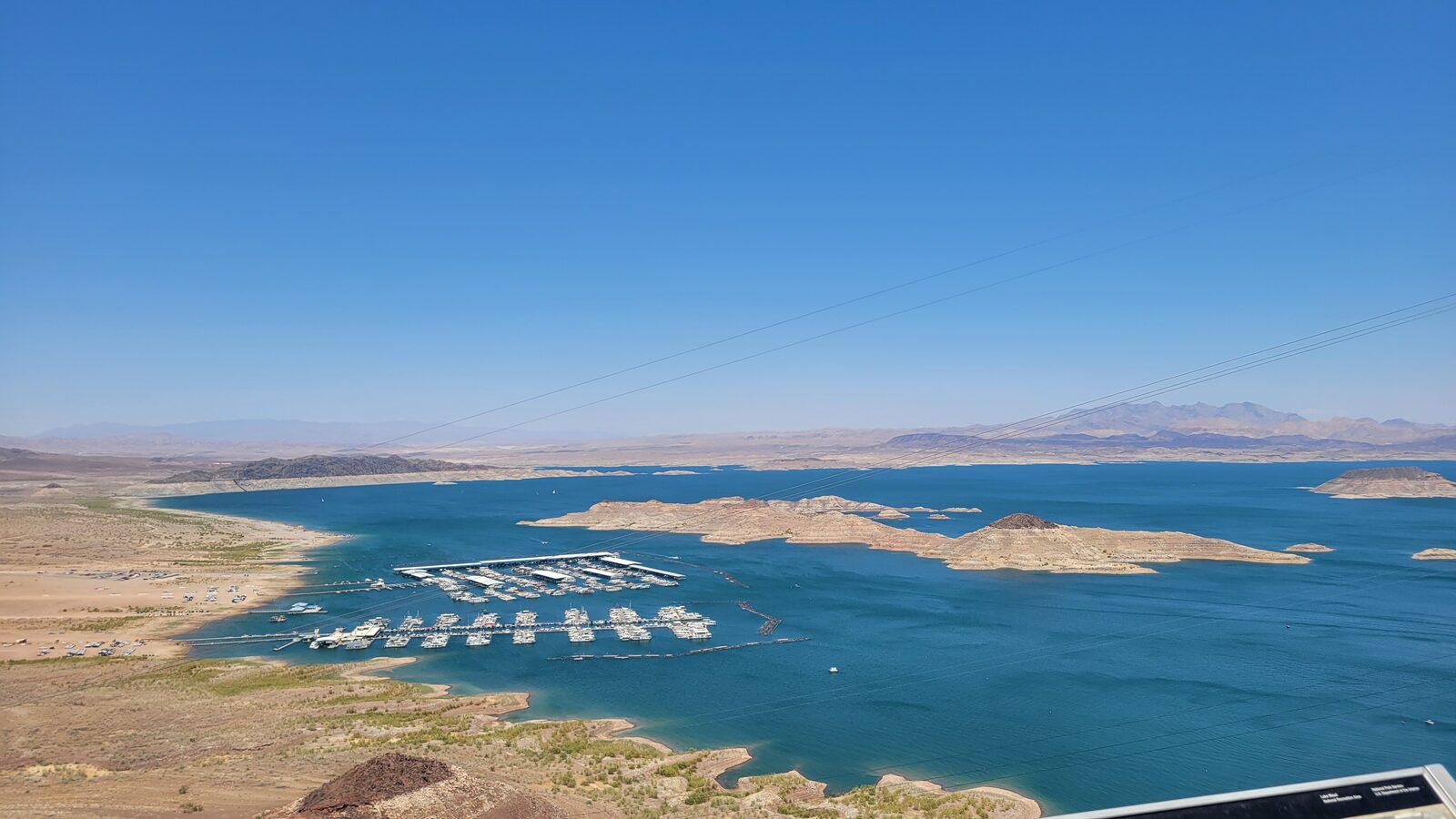
Marina and desert shoreline at Lake Mead National Recreation Area
Lake Mead National Recreation Area
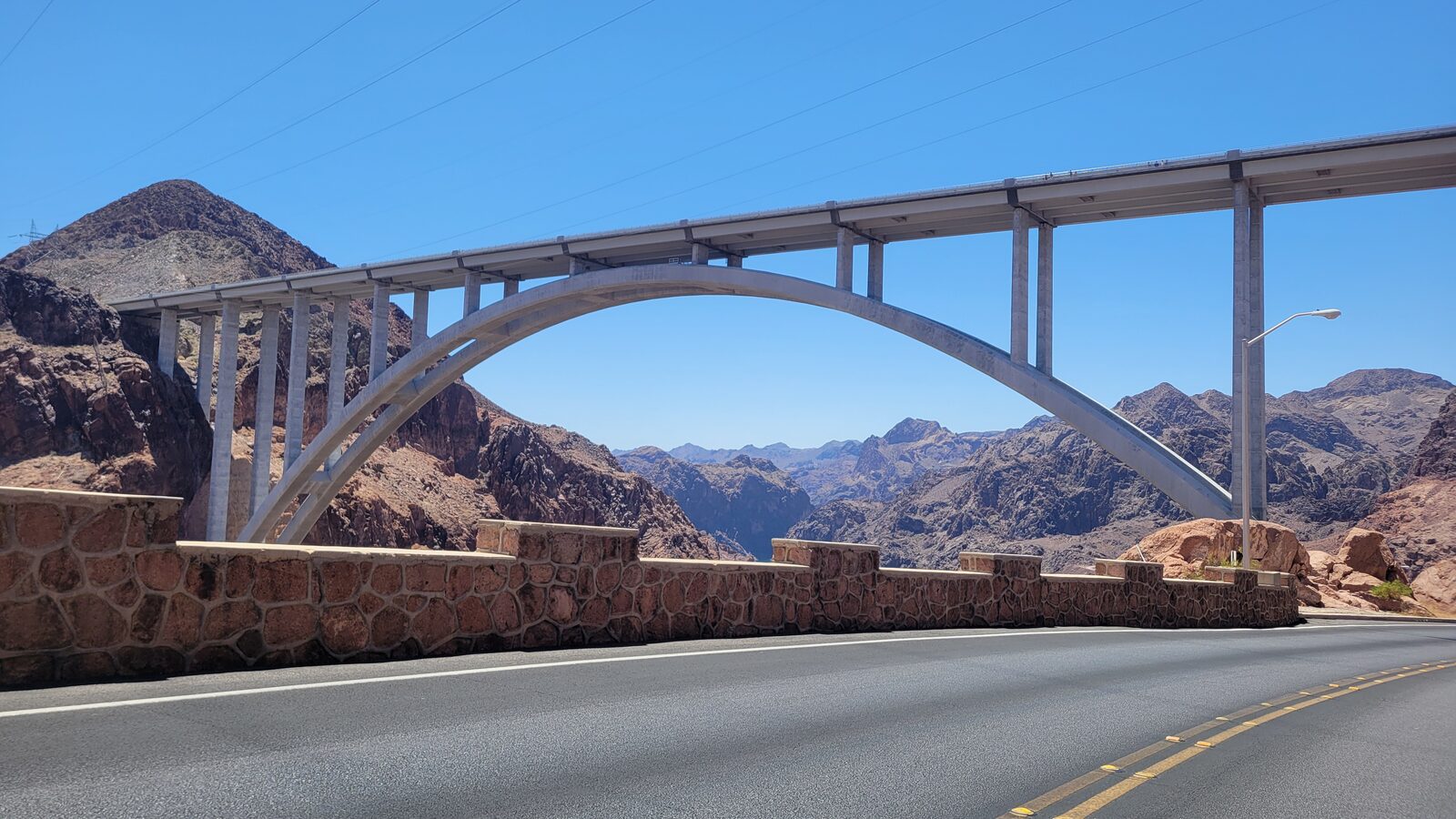
Mike O'Callaghan-Pat Tillman Memorial Bridge spanning the Black Canyon near Hoover Dam
Hoover Dam, Nevada/Arizona
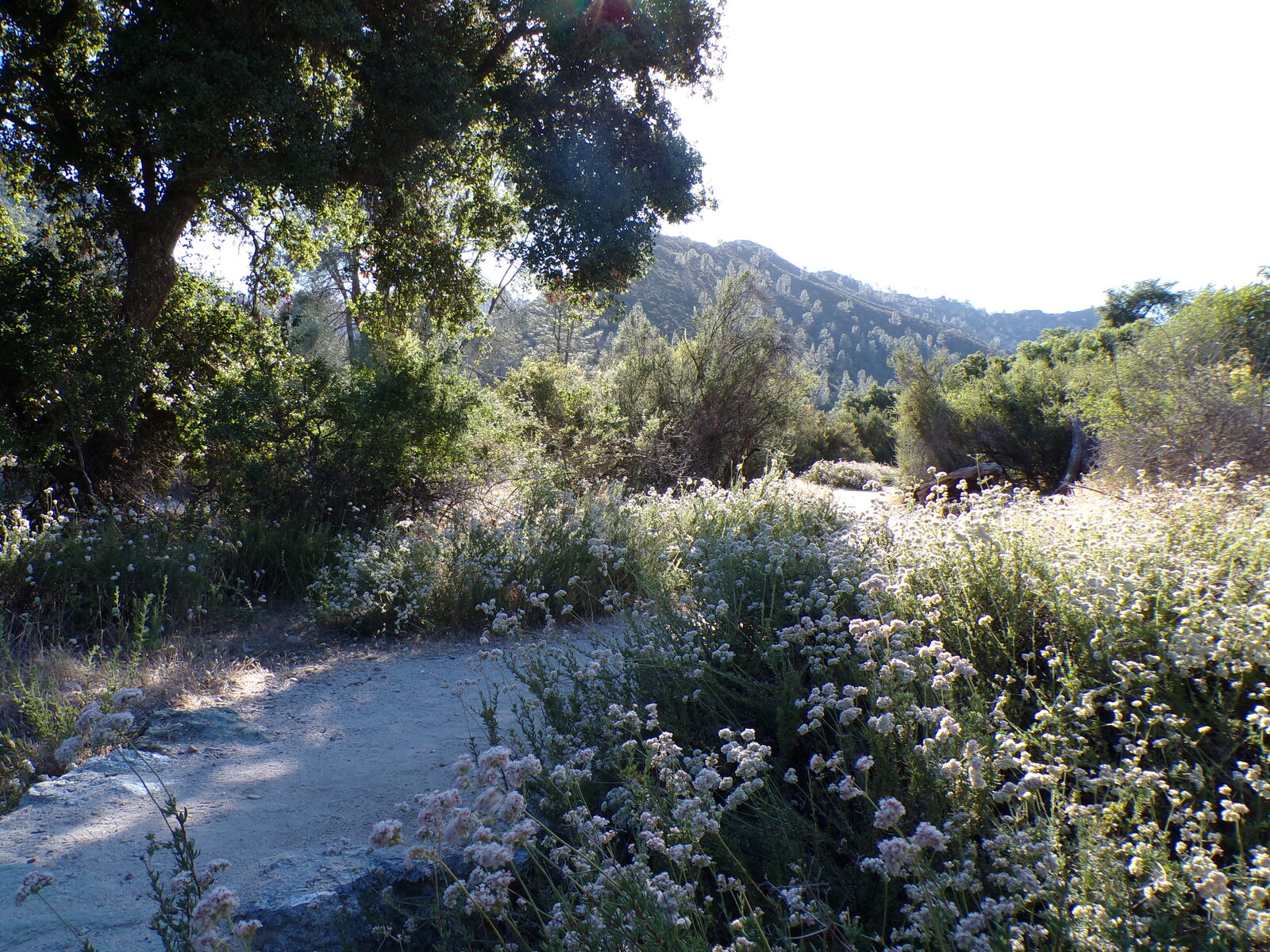
Wildflowers along a trail at Pinnacles National Park
Pinnacles National Park
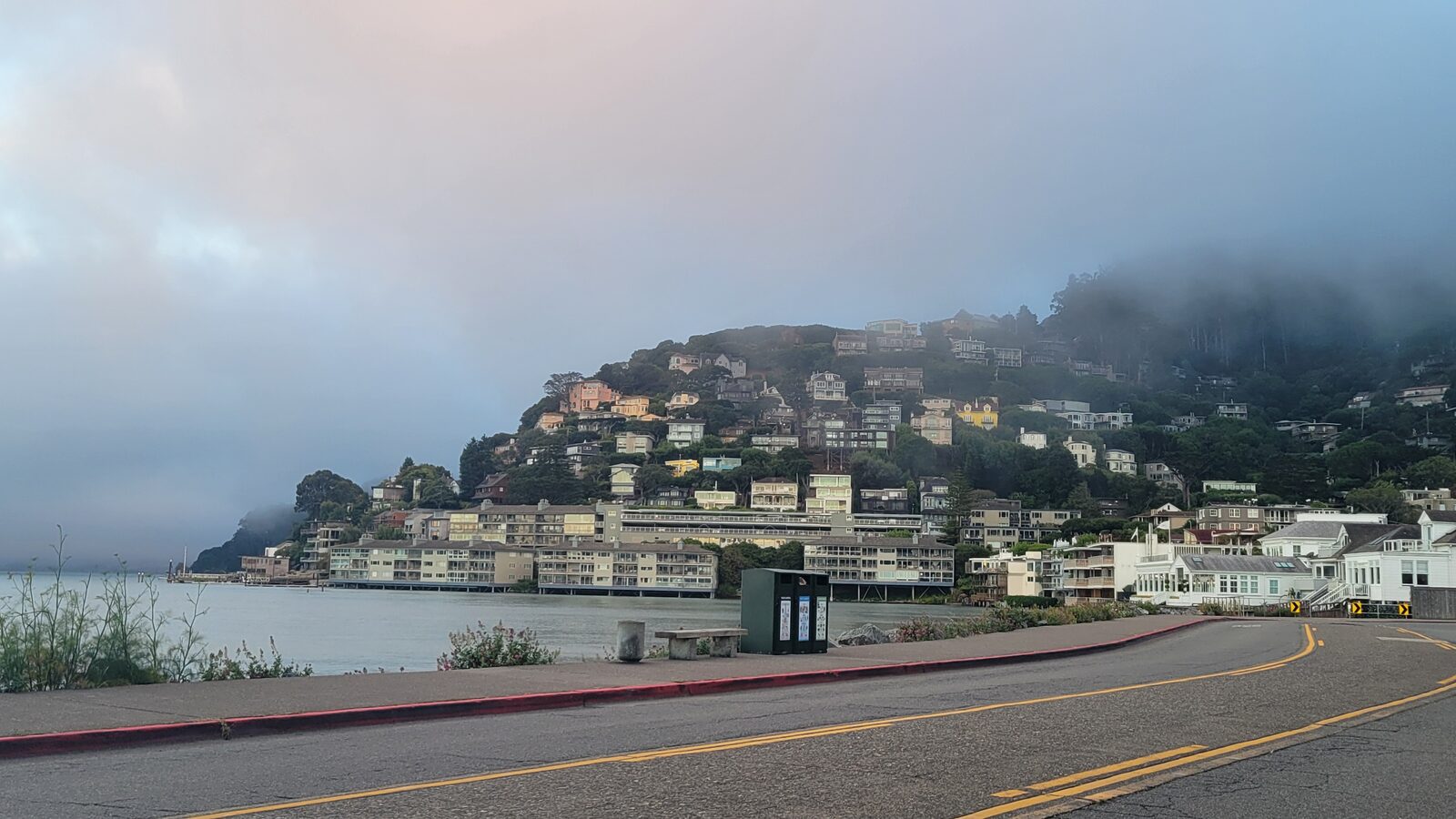
Hillside houses overlooking the water in Sausalito under fog
Sausalito, California
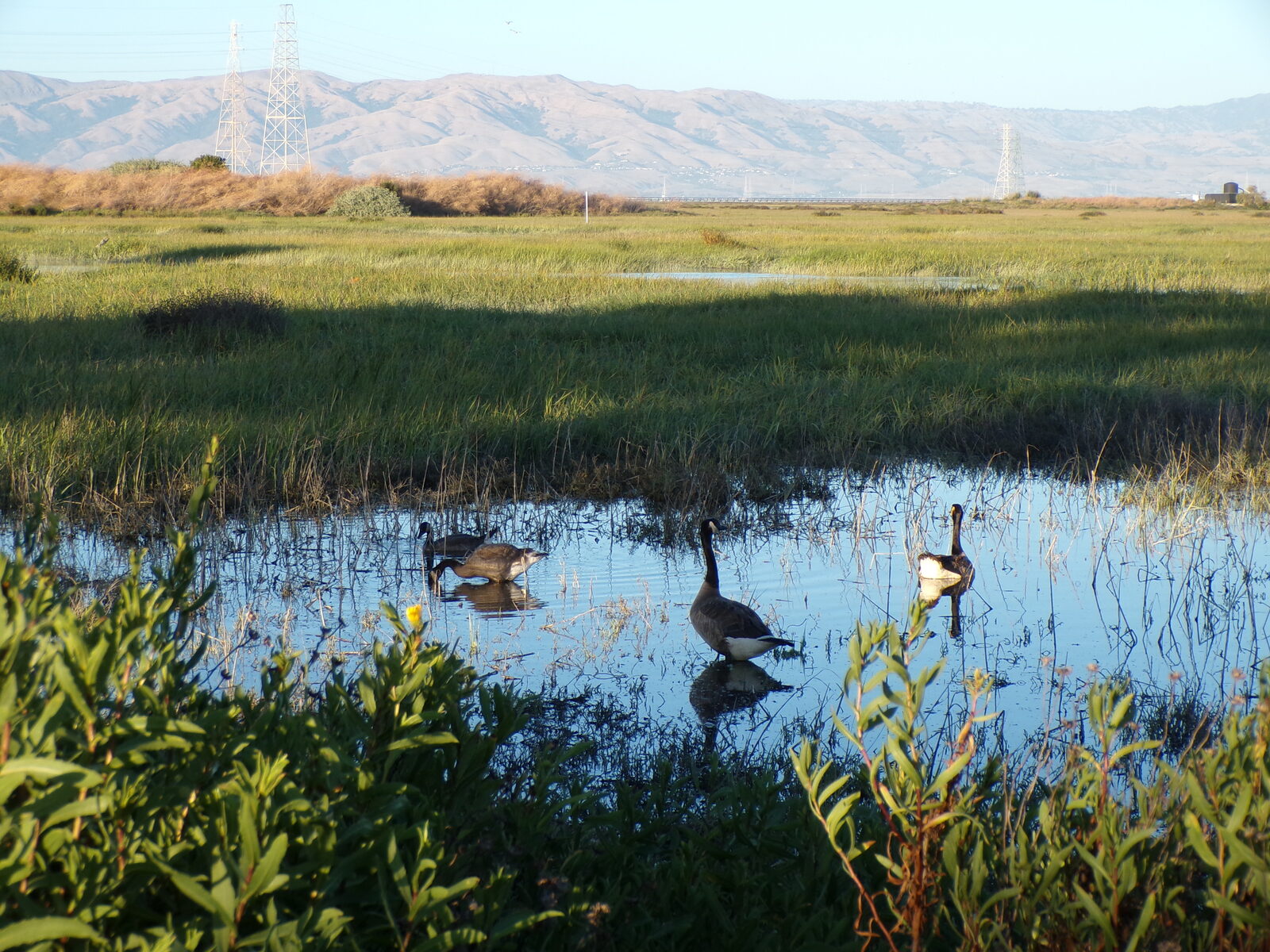
Canada geese in a wetland pond at Baylands Nature Preserve
Baylands Nature Preserve
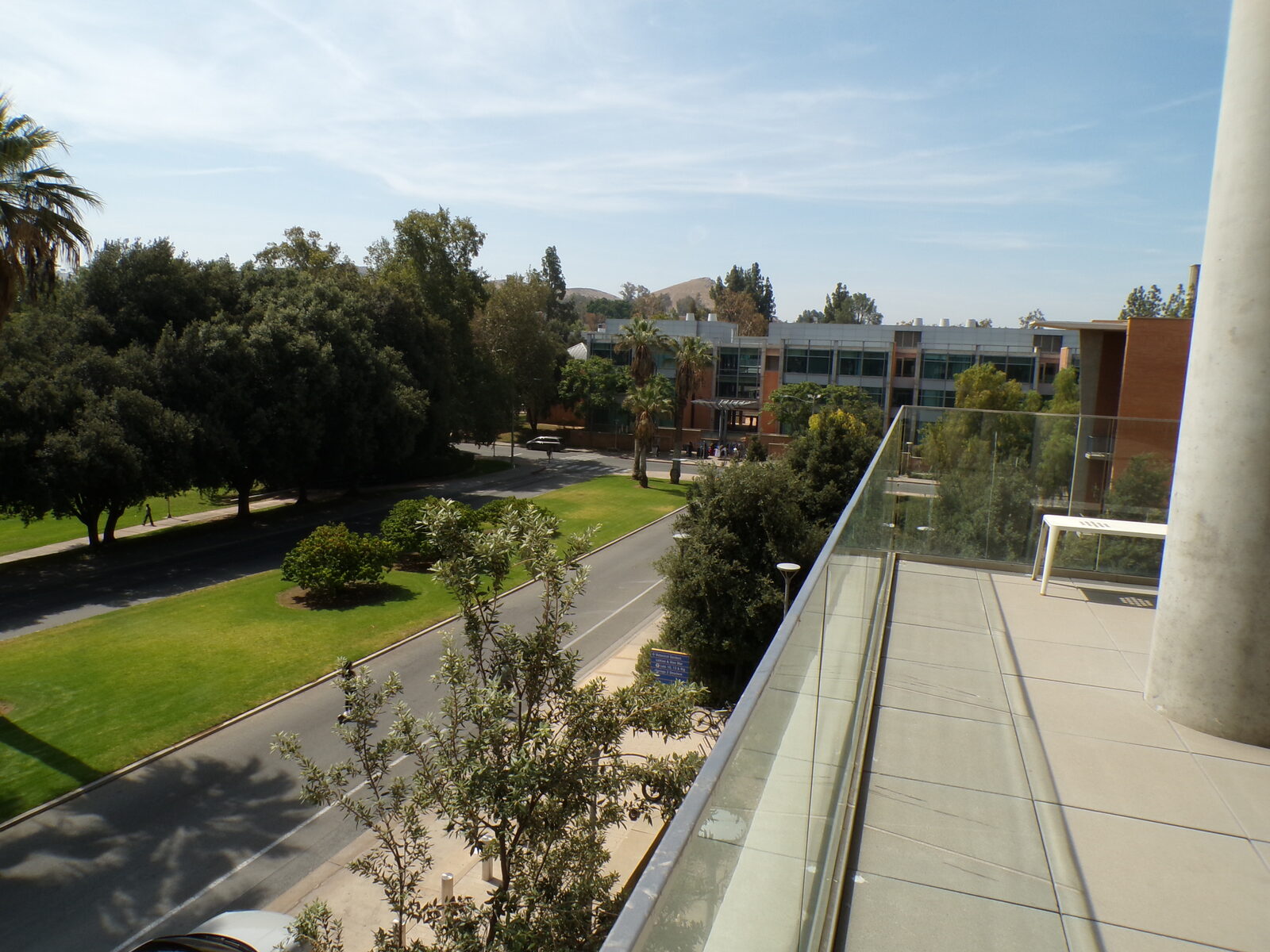
View of campus buildings and hills from a terrace at UC Riverside
UC Riverside
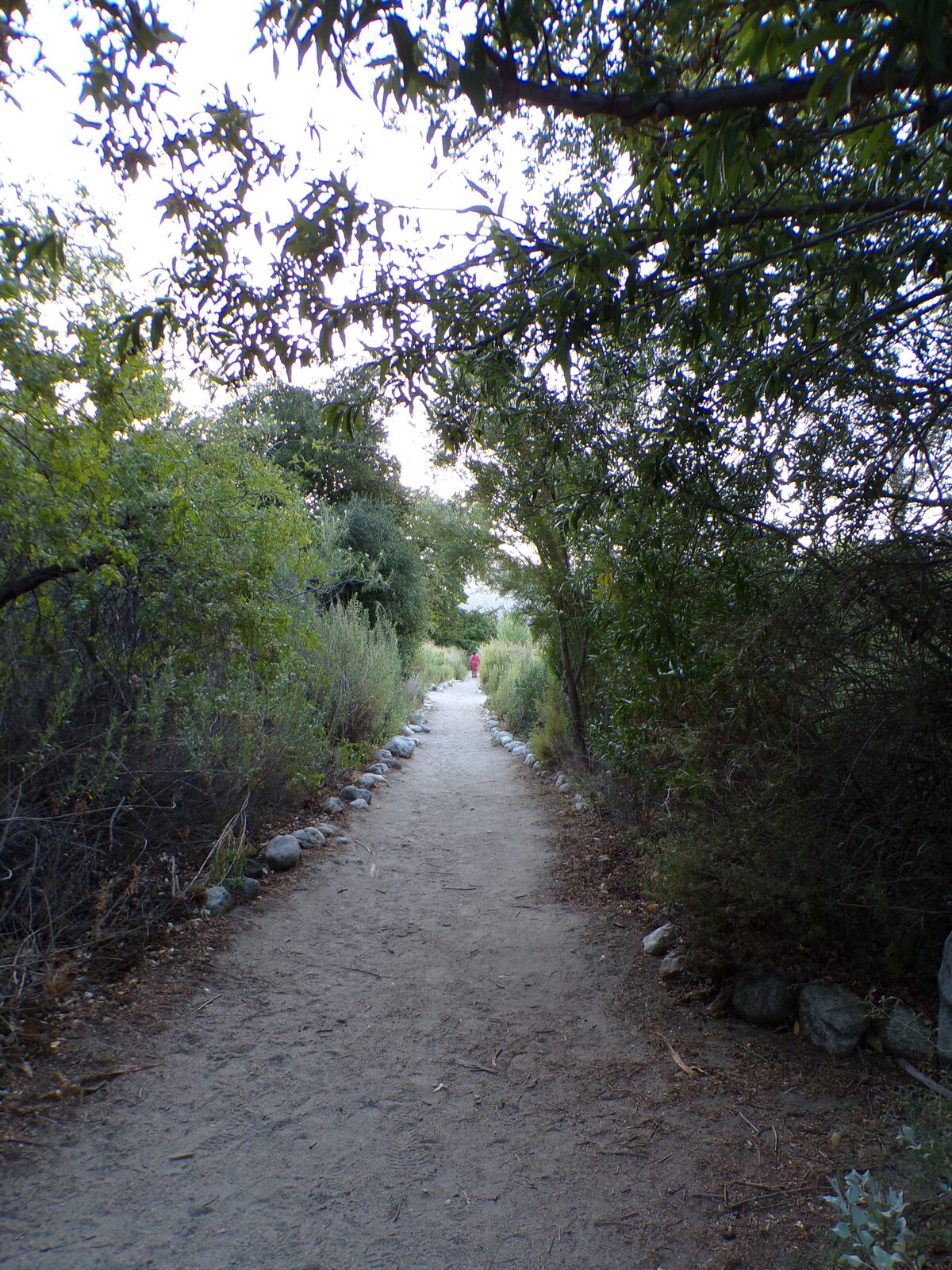
Shaded trail through trees at Whitewater Preserve
Whitewater Preserve
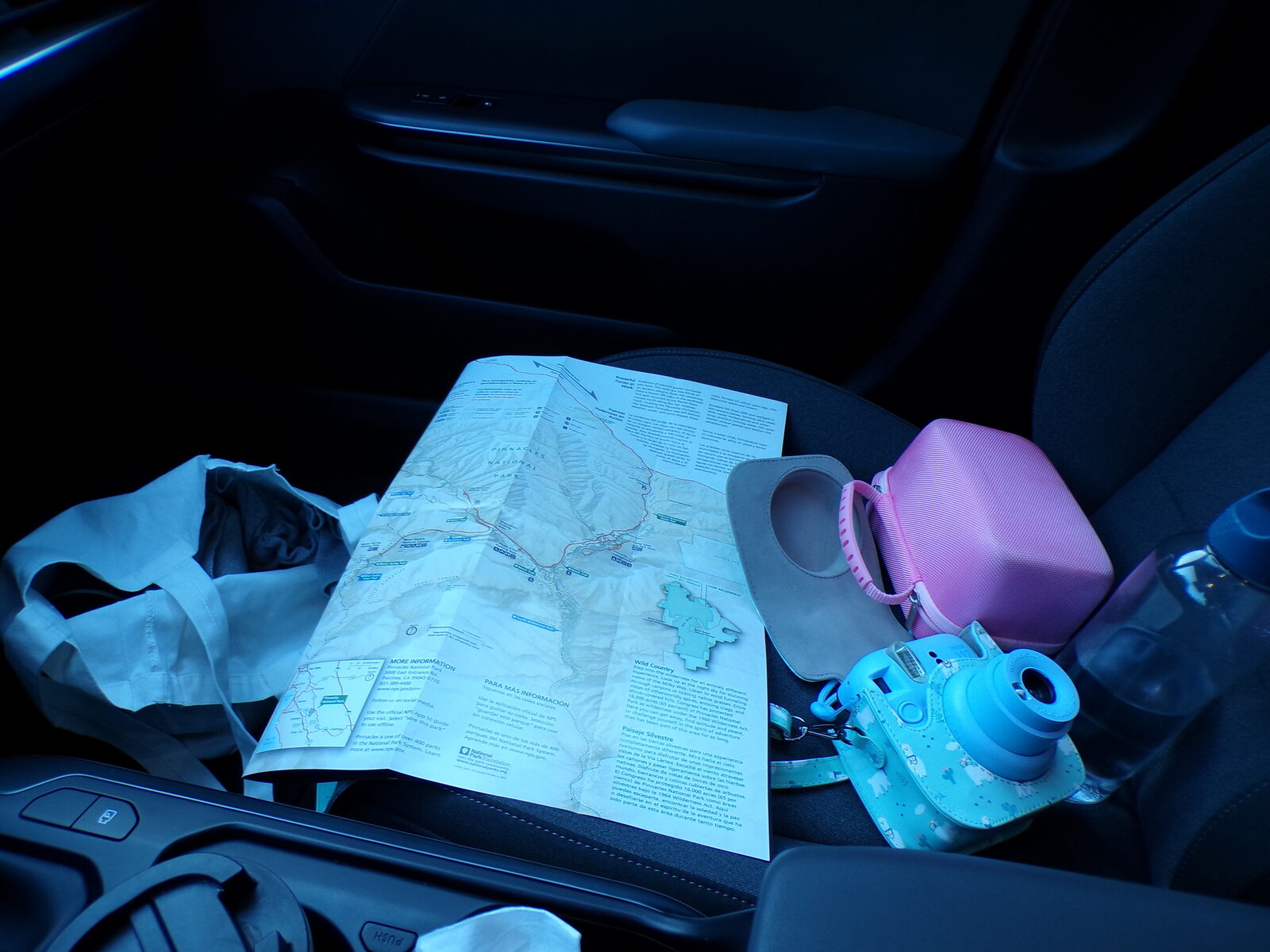
National park map and Instax camera on the car seat during a road trip
Somewhere on a road trip

Get in touch